
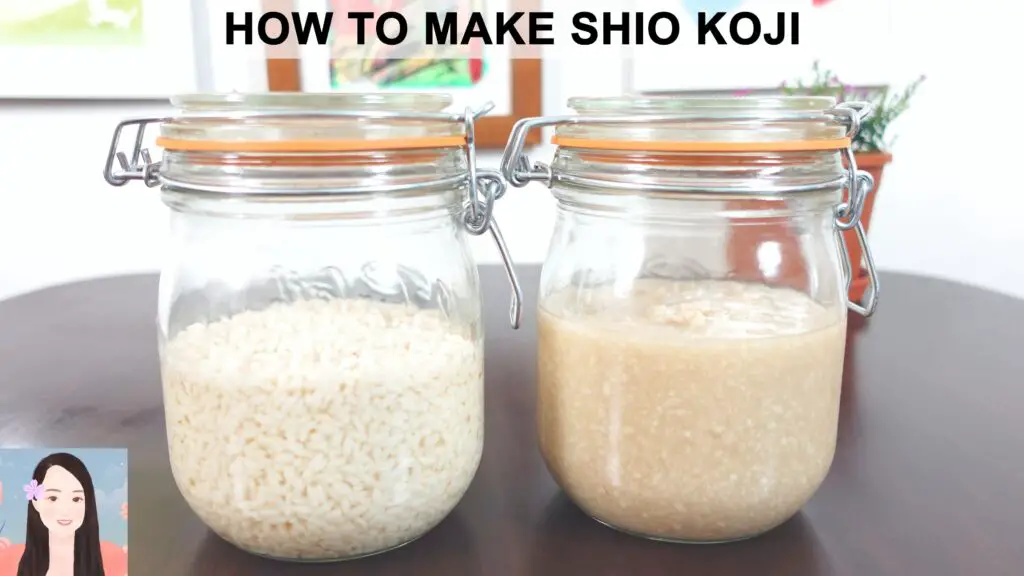
If you’ve never made shio koji at home, you’re in for a treat. This Japanese seasoning is a fantastic alternative to plain salt—salty, yes, but also rich in umami with a touch of natural sweetness that adds real depth to your cooking.
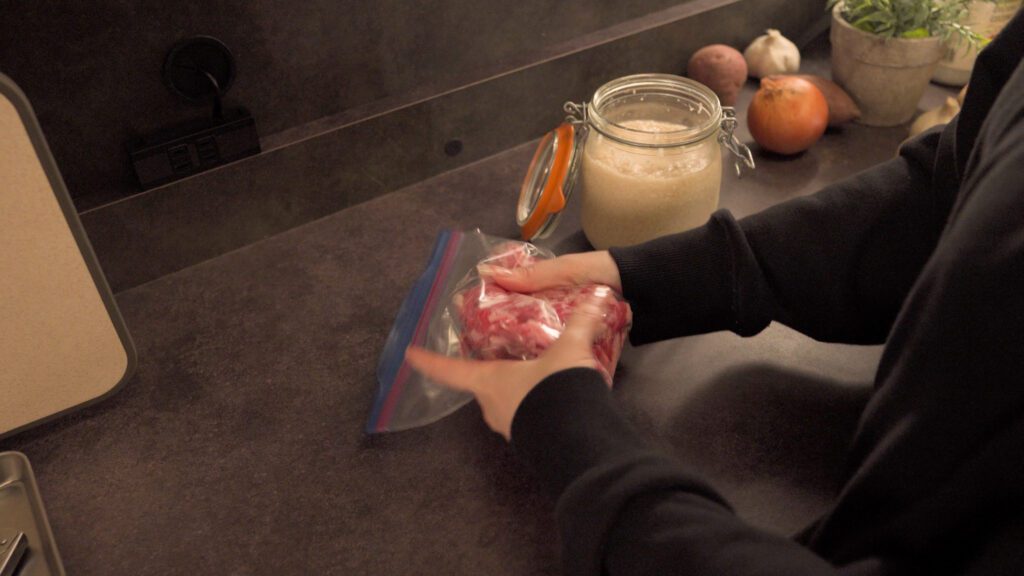
I often use it to marinate meat overnight—it makes it incredibly tender, juicier, and full of flavor.
While it does take some time to ferment, the process is simple and even a bit meditative. And the best part? Once it’s ready, a batch of shio koji will keep for months in the fridge (it just never seems to go bad), so you’ll always have this flavor booster on hand when you need it.
How to Make Shio Koji – Recipe

Ingredients
- 200 g (1.08 cups) rice koji
- 60 g (2.12 oz) salt
- 300 ml (1.27 cups) water
directions
First Day
- Prepare warm water below 60 °C (140 °F).Make sure the water is not too hot, otherwise, you will kill the enzymes in rice koji which will be added later, and the fermentation will not work.
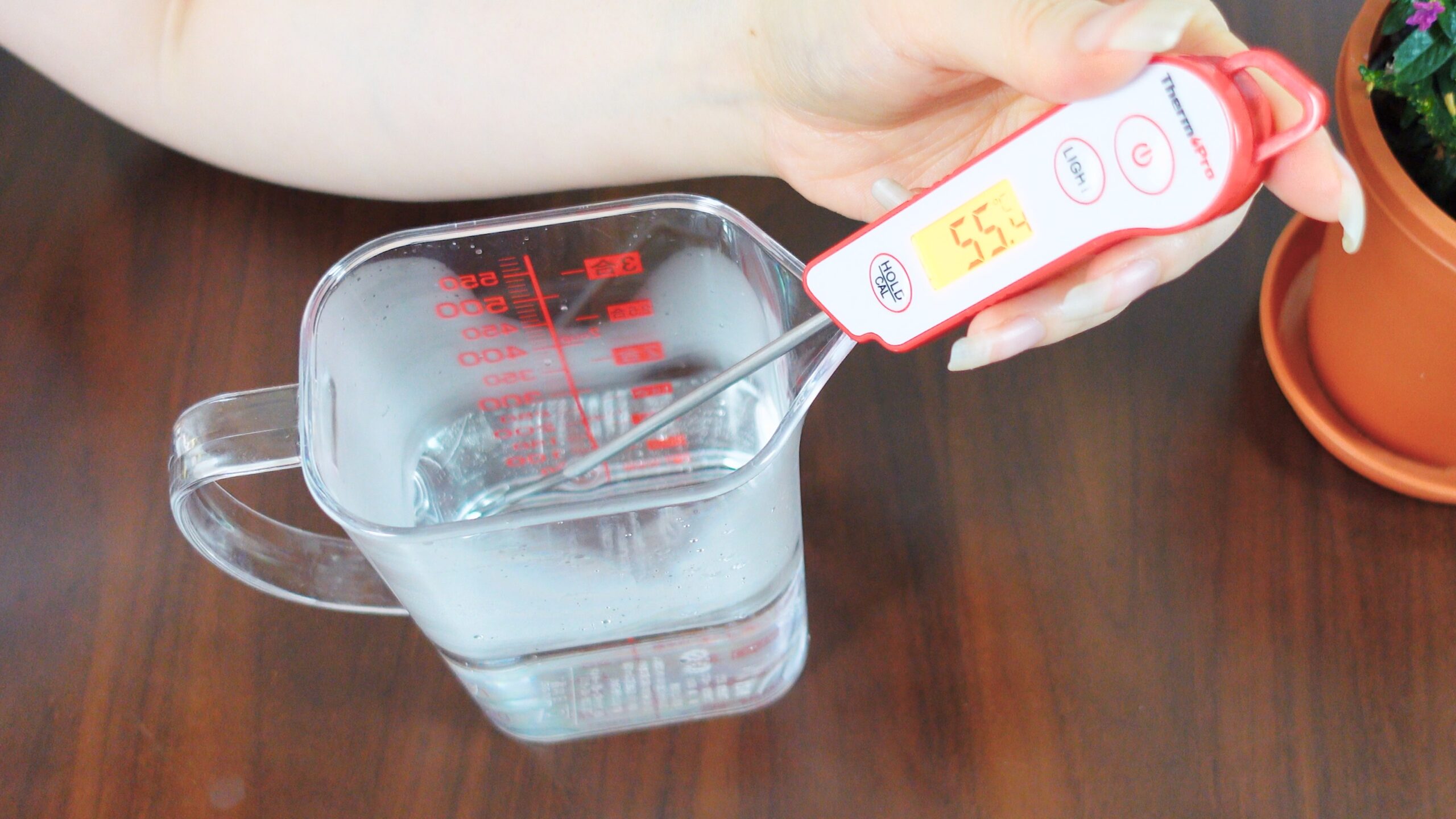
- In a container, add salt, and then add the warm water.
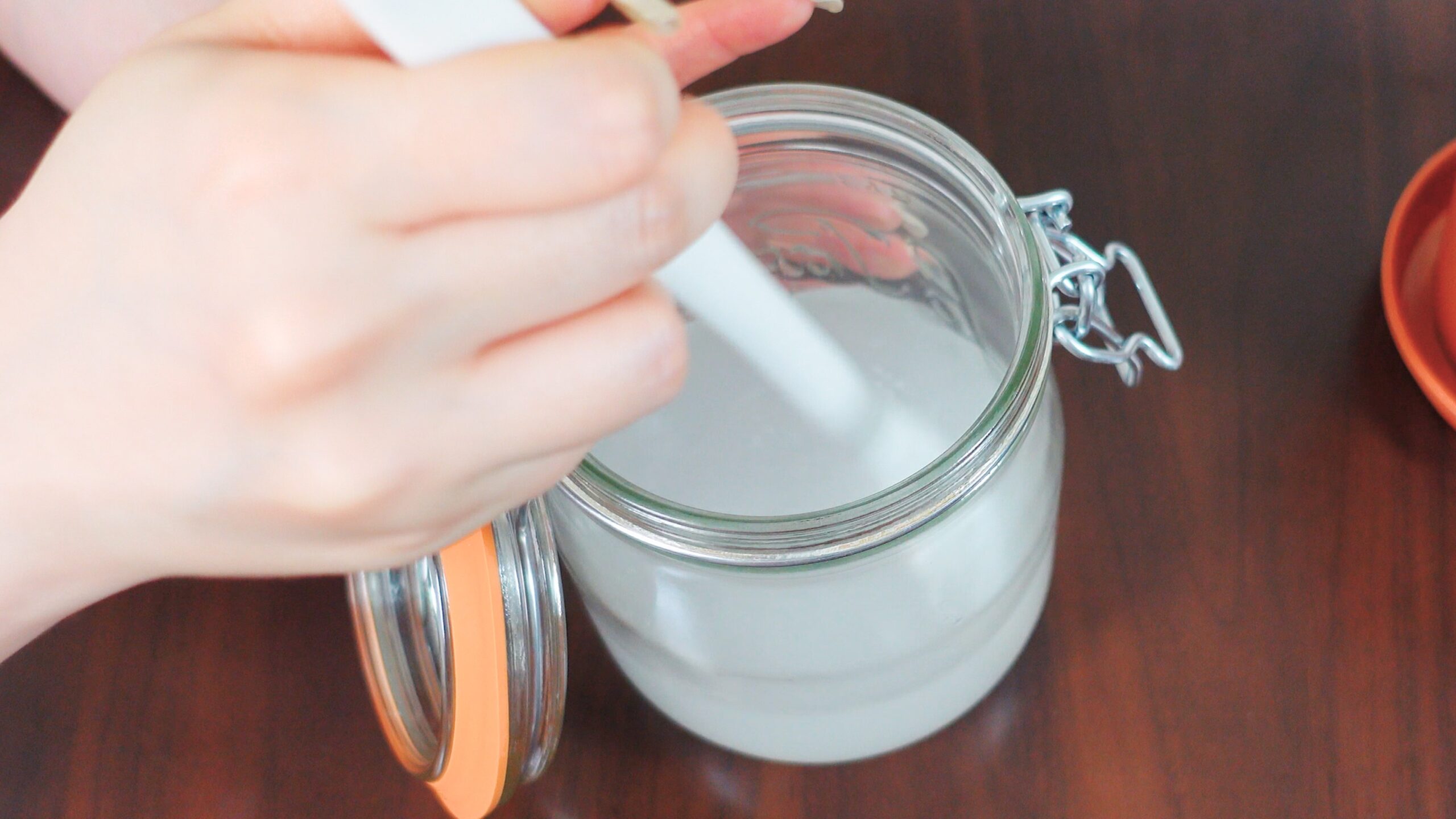
- Add rice koji and mix well.
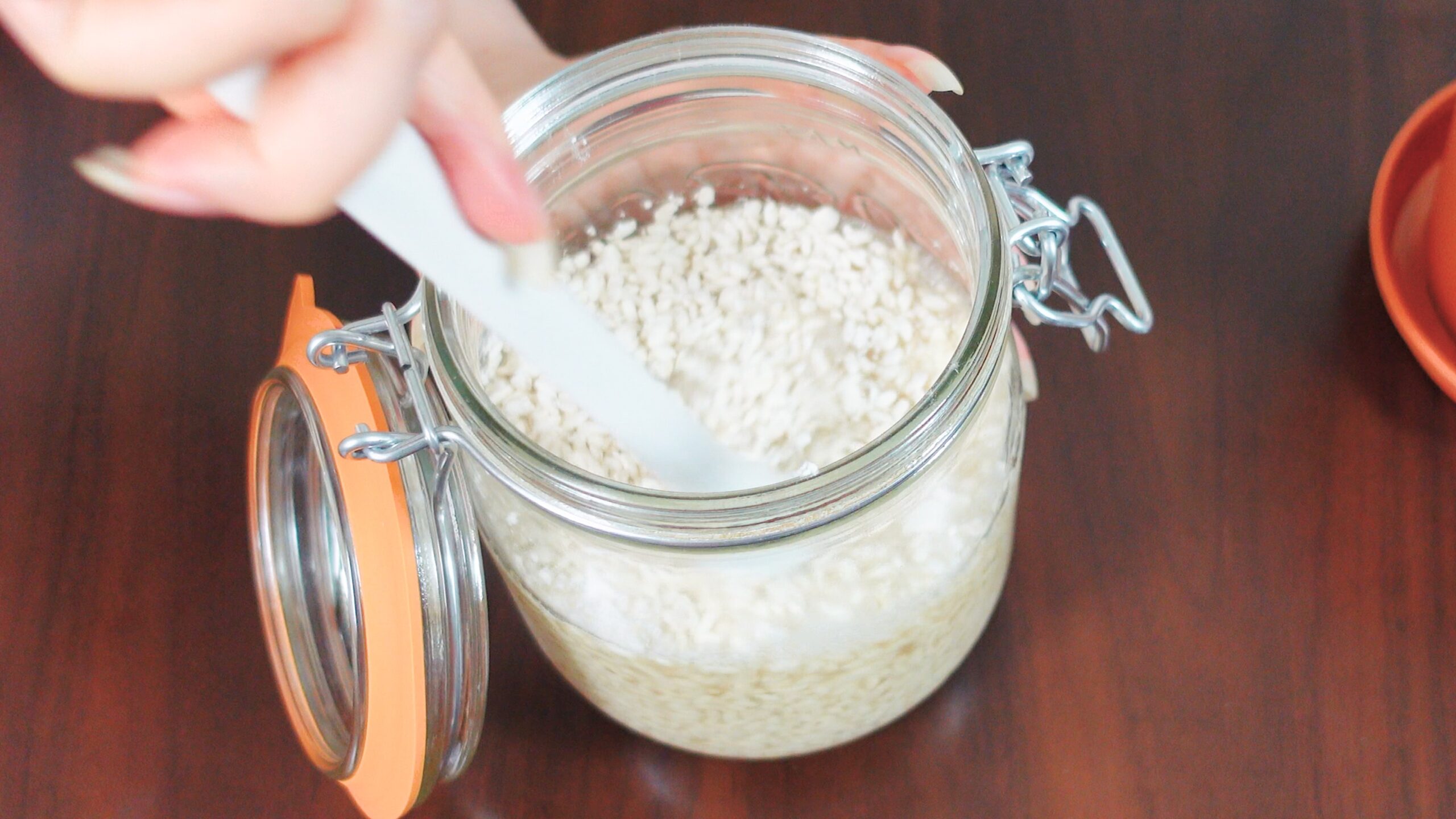
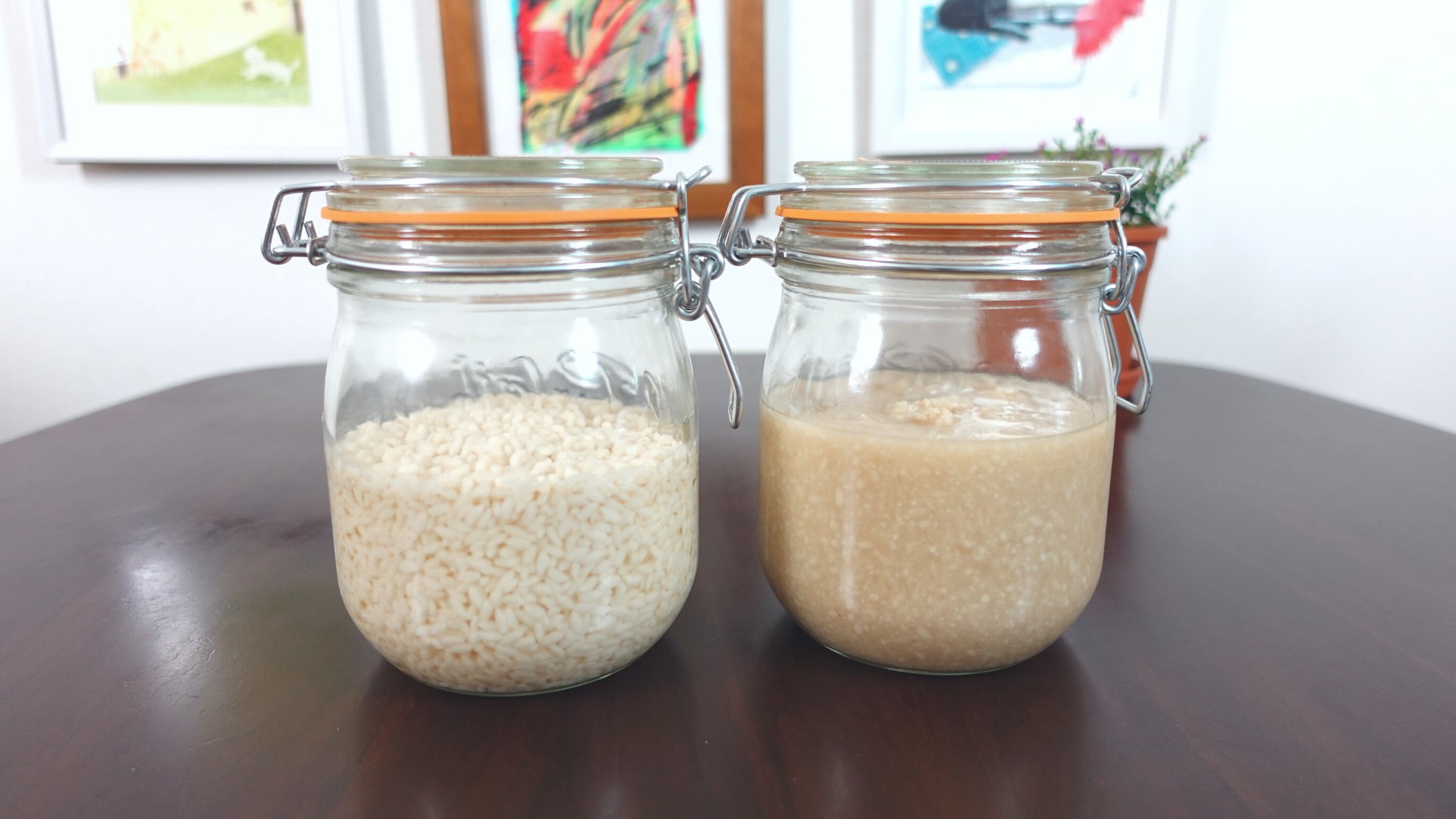
- After everything is mixed well together, put the lid on the container. Leave the container at room temperature and let the mixture ferment.The rice koji will quickly absorb all the water, but in time, the water will come back out.
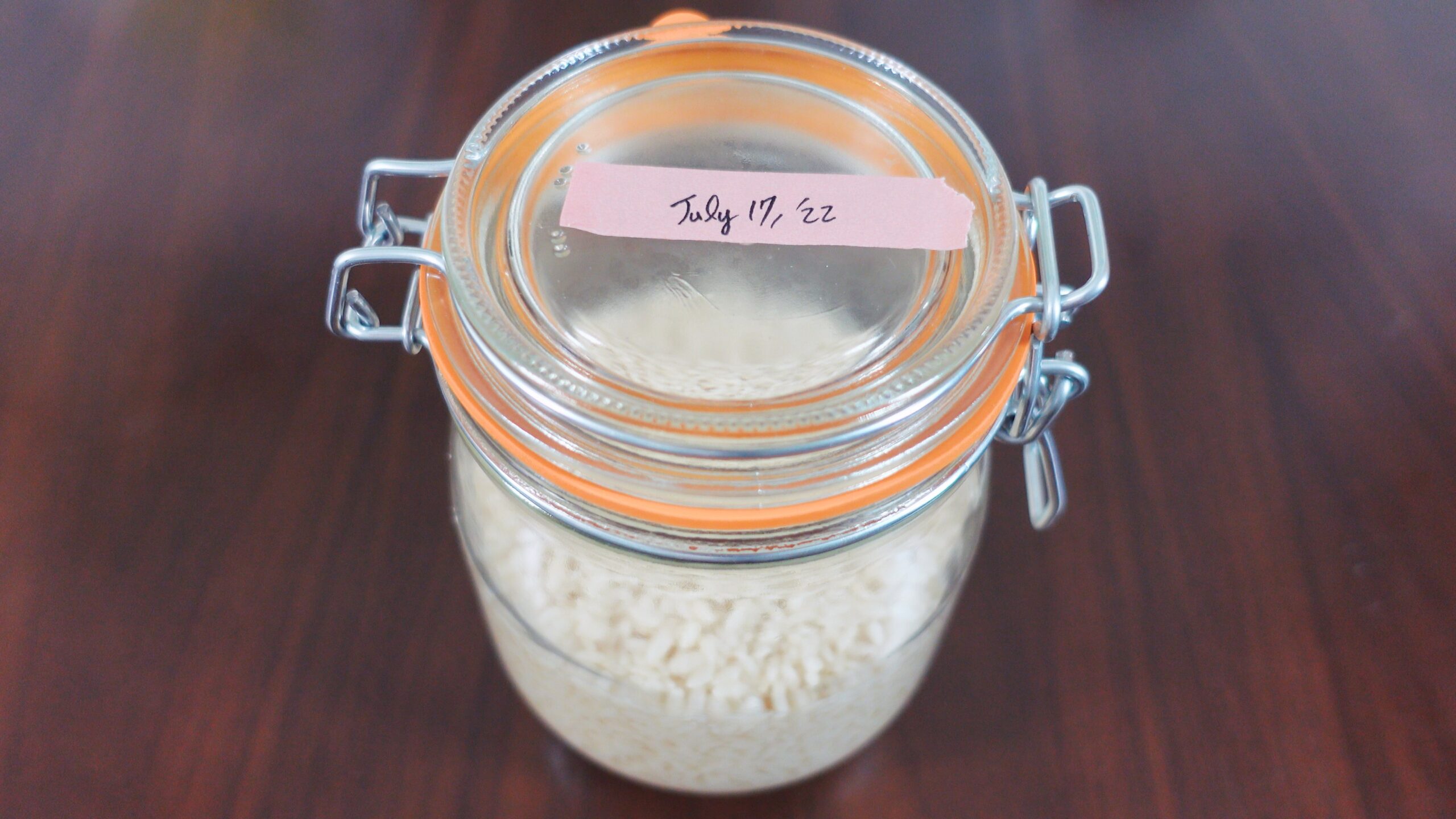
Second Day and Onwards
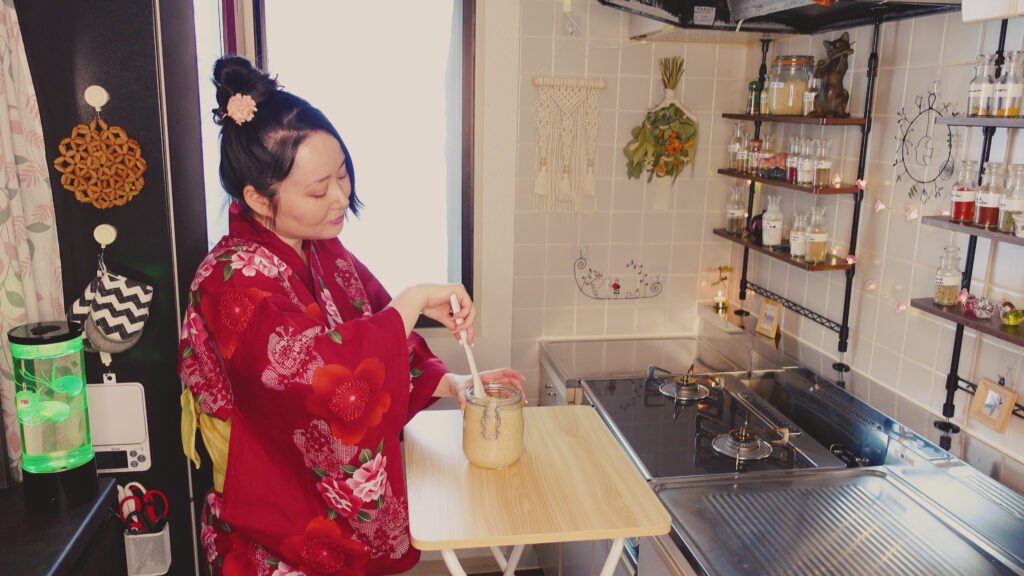
- On the next day, stir the mixture, put the lid back on, and leave it at room temperature. Repeat this process every day for about one to two weeks or until your shio koji is ready.Stirring will redistribute the salt content evenly and prevent molding. If you don't stir regularly, the salt will sink to the bottom and bacteria will start to grow at the surface, which will lead to molding.The fermentation speed will depend on the temperature.
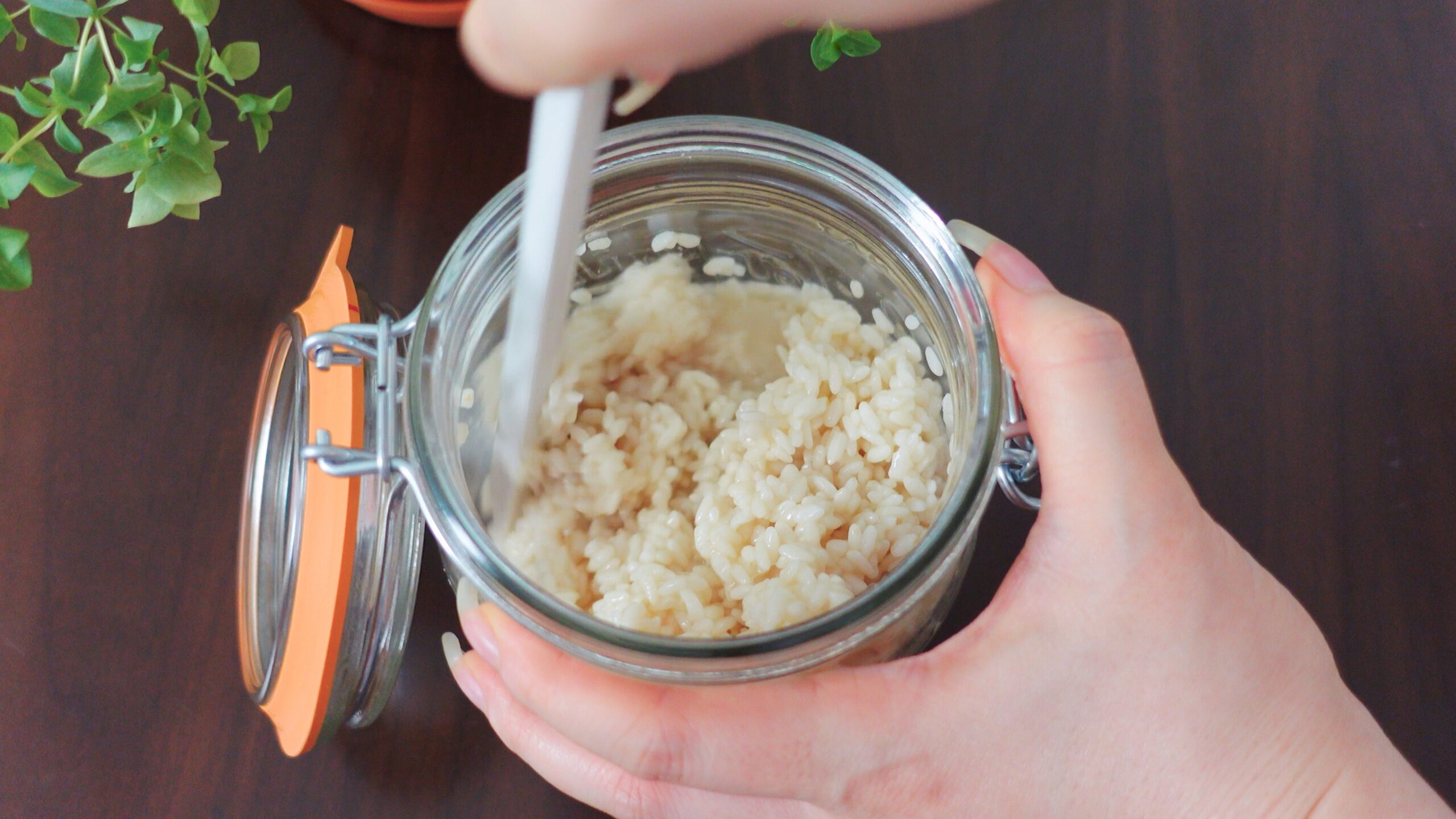
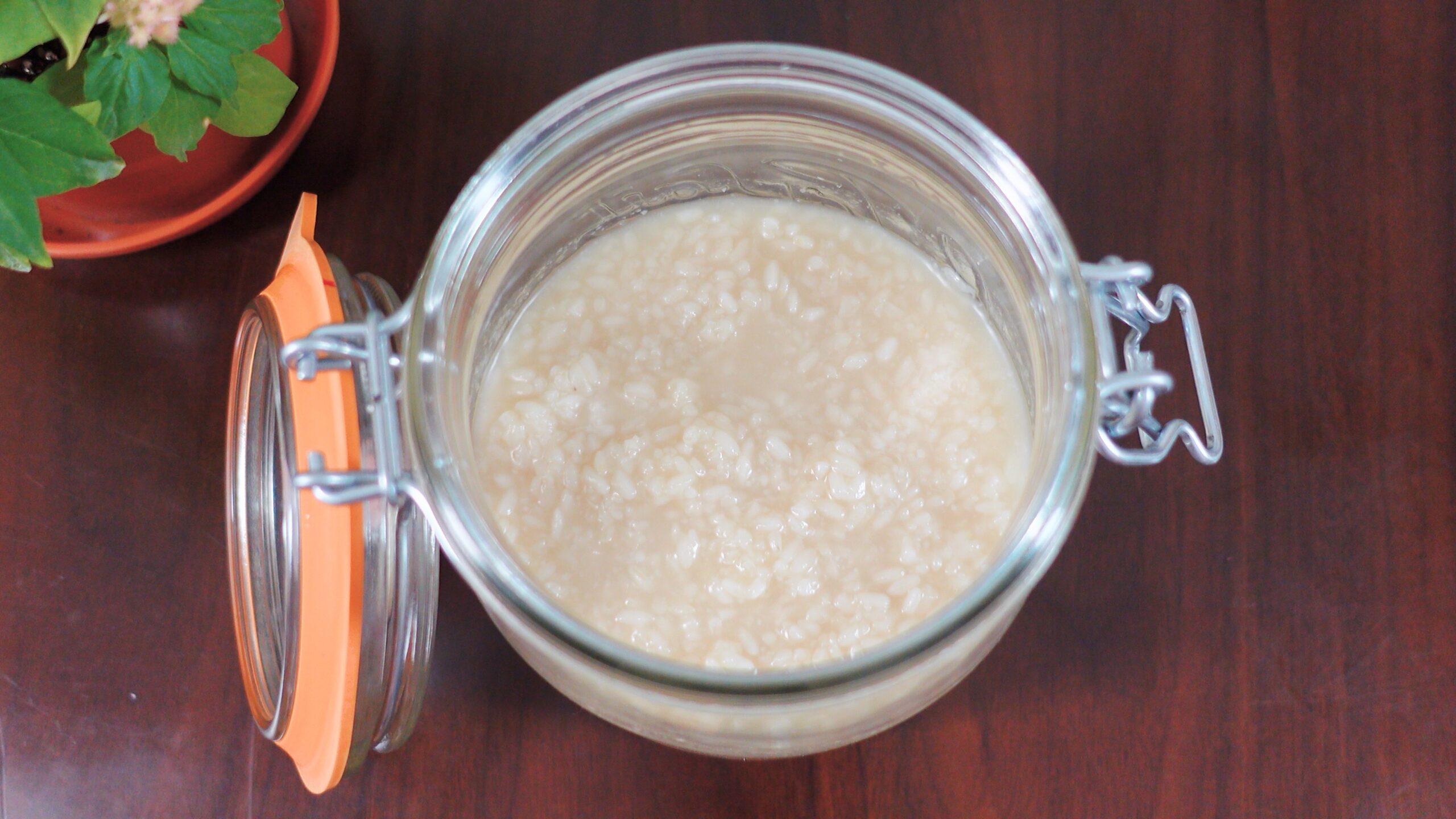
- Your shio koji is ready when it's liquidy like a paste, has a mild salty taste with umami and sweetness, and can be easily crushed with your fingers.
Recipe Notes
- The ratio of the ingredients doesn’t have to be exact. The salt in shio koji, however, has an important role in preventing molding, so don’t decrease the percentage of salt too much.
- You can store shio koji in the refrigerator or freezer to keep it fresh for many months. You can also store it at room temperature, but make sure you stir it regularly to prevent molding. Read more about it at What Is Shio Koji? (The Complete Guide)
Nutrition

Tokyo-based food enthusiast focused on Japanese-inspired low-carb, keto-friendly cooking and fermentation.
Simple recipes and honest restaurant reviews.
👉 sakurayubi.com/about/

You are perfect!
Thank you so much!! I really appreciate your kind comments 🙂 Love!
Sakura – I can’t wait to make this. Do you close the lid tightly or should the air be able to get in & out? I make sourdough starter and you always leave the lid loose. Thanks! Lisa
Hi, Lisa! Thanks for your comment! You should close the lid tightly. That way you can avoid cross contamination and drying of shio koji 🙂 Shio koji doesn’t need to breathe. It remains fine in a sealed environment for a very long time. I hope you’ll enjoy using shio koji in your cooking!
Hi Sakura👋
This is totally my thing.
I love fermented foods, Yoghurt, Kefir, Sauerkraut, Kimchi and now Shoo Koji.
May I ask you…
A)
What do you exactly mean with “room temperature”? The temperatures in our house can varie between 16°C/60,8°F (actually during the night and early morning hours) and 30°C/84°F (24/7 during a hot summer) I’ve bought an electric proofer for fermenting. 🥰
B)
Where to buy kefir grains. The ones I I had didn’t survie and I can’t buy new ones here.
Thank you so much for your blog.
I love your YT.
Greetings,
Yoolya 🌸
Hi Yoolya!
Thank you so much for your thoughtful comment. It’s always a pleasure to hear from someone who truly enjoys fermented foods — yoghurt, kefir, sauerkraut, kimchi… and now shio koji as well. 😊❤️
To answer your questions:
A) About “room temperature”
Shio koji is much more forgiving than yoghurt and doesn’t require a narrow temperature range.
It almost stops fermenting (more precisely, enzymatic aging slows significantly) at refrigerator temperature, around 5°C or lower.
The enzymes will denature at around 60°C or above.
Any temperature between those points is suitable for fermentation.
So the 16–30°C range in your home is perfectly fine. The only real variable within that range is speed: the higher the temperature, the faster the fermentation progresses.
At 16–30°C, you can expect it to take roughly one to one and a half weeks to mature. An electric proofer can certainly help if you want more control, but it’s not strictly necessary for shio koji. I use sous vide machine to make my L.Reuteri yogurt, but I don’t use it to make shio koji.
B) Where to buy kefir grains
I purchased my kefir grains from “Kanoa” on Mercari several years ago, and they are still thriving. She usually sells dried grains, but she sends fresh ones when requested, which is what I did.
https://jp.mercari.com/en/user/profile/410018533
https://jp.mercari.com/en/item/m43537067913
If you are in Japan, I would recommend her. I also obtained my kombucha SCOBY from her, and both have been reliable.
Thank you again for your kind words about my blog and YouTube. I truly appreciate your support❤️ Let me know if you have further questions.
Wishing you continued success with your fermenting! 🌿
Sakura